Garage door parts explained: what each one does and which ones break first
By Garage Door Science | Published:
Categories: Garage Door Maintenance
Tags: diagnostic, maintenance, parts, technical
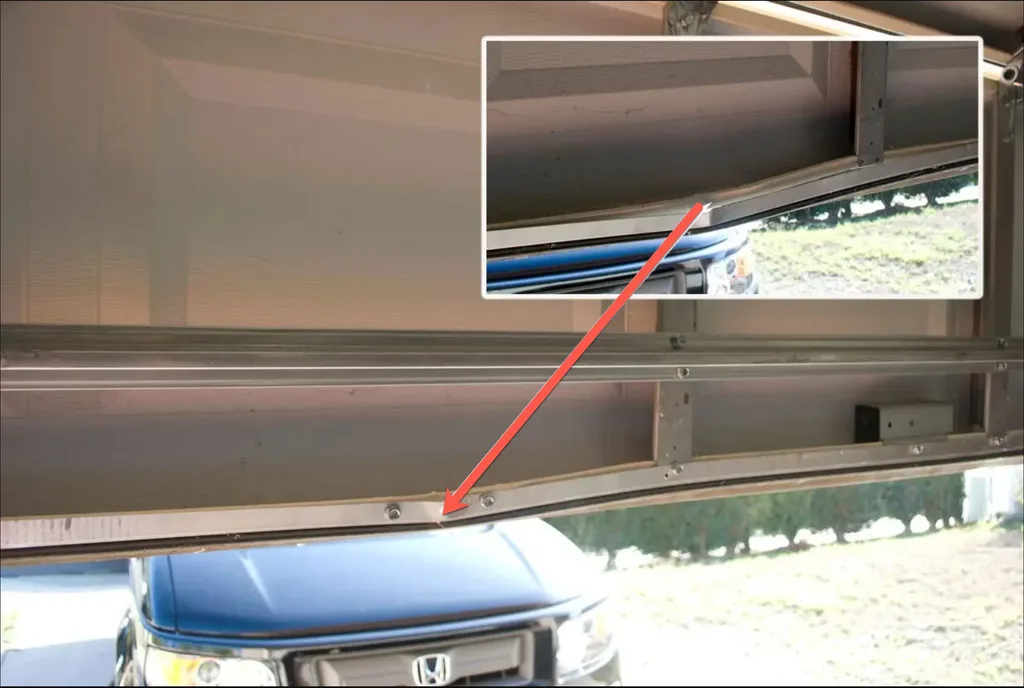
You’re standing in the garage, looking up at the hardware above the door, trying to figure out what stopped working and whether you need to call someone before you have somewhere to be. There’s more up there than you remembered. A spring. Cables. Drums and brackets and a motor rail stretching back to the wall. Before you can describe the problem, or decide if it’s worth a service call at all, it helps to know what you’re looking at.
This is a reference walkthrough of the main garage door parts, organized by how often each one fails. For a visual breakdown with photos, read the full lab on parts and failure patterns at Garage Door Science.
The five systems that make up a residential door
A garage door isn’t a single mechanism. It’s five overlapping systems that have to behave at the same time. Understanding them as systems, not individual parts, is what makes a failure easier to diagnose.
The counterbalance system is the torsion spring, cables, and drums. It’s what makes a 150-pound door feel light enough to lift with two fingers. The spring stores energy as the door closes and releases it on the way up. The track system is the vertical and horizontal tracks, the curved transition sections, and the wall brackets that anchor them. Rollers ride inside those tracks on every cycle. The panel system is the door sections themselves, the hinges between them, the horizontal strut across the top section, and the bottom seal along the floor.
The drive system is the opener motor, rail, trolley, and the arm connecting it to the door. It’s worth being clear about what the opener actually does: it does not lift the door. The springs lift the door. The opener nudges a balanced door and guides it back down. Finally, the safety system is the photo-eye sensors near the floor and the auto-reverse logic in the opener. Its only job is to fail safely when something is in the door’s path.
Which garage door parts break most often, and why
Failure frequency tracks stress per cycle. The parts that absorb the most mechanical load on every single open-and-close are the parts that wear out first. Here’s the order a technician sees them, from most to least common.
Springs: the highest-stress part on the door
A standard residential torsion spring is rated for roughly 10,000 cycles. One open plus one close equals two cycles per day, 730 cycles per year, which means a standard spring reaches its rated life in roughly 14 years at that pace. Cycle the door four or more times daily and that number drops to seven years or less. Each closing absorbs around 800 foot-pounds of torsional stress. A fully wound spring stores roughly 236 foot-pounds of energy.
That stored energy is why a broken spring sounds like a gunshot. It is releasing that load instantly.
Do not adjust torsion springs. Do not loosen the set screws on the spring cones. Do not attempt to wind or unwind a spring without the correct winding bars and documented training. The force stored in a wound spring is not theoretical. It is in the metal right now.
If your door cycles frequently, you can specify high-cycle oil-tempered springs rated for 25,000 to 100,000 cycles. They cost more at installation. Over the life of the door, the math is favorable. Ask your technician to spec them at the time of replacement rather than accepting the standard option by default.
Rollers: quiet failure, audible warning
Cheap steel rollers with unsealed bearings are the next most common failure. They don’t announce themselves dramatically. The door starts to shimmy side-to-side in the tracks, or you notice a grinding sound on travel that wasn’t there a year ago. If your door has become noticeably louder over time, the noise diagnostic at Garage Door Science covers roller wear alongside the other common causes.
Replacing the middle rollers is one of the few parts jobs you can reasonably do yourself. The top and bottom roller positions are a different matter, both involve cables and brackets under tension. Leave those to a technician.
Cables: they fail when something else fails first
A cable that frays in isolation is unusual. A cable that frays because a spring broke and shock-loaded the system is common. Cables also come off their drums when the door goes out of balance and one side drops faster than the other. If you see a frayed or coiled cable on the floor, look at the spring above it. The two failures are almost always connected. The full repair guide at Garage Door Science explains what this sequence looks like and what it costs to address.
Opener components: failure patterns depend on drive type
Chain-drive openers have more wear parts than belt or direct-drive units. The chain stretches over time, the sprocket teeth round off, and the trolley nylon degrades. Belt-drive units are quieter (operating noise around 45 dB compared to roughly 70 dB for chain-drive) but they fail too, typically at the plastic gear inside the motor head. That gear strips before almost anything else does, usually because the door went out of balance and the motor was working harder than it was rated to handle. An unbalanced door shortens opener life measurably. If you want to know whether your door is balanced before the next service call, this balance check procedure walks through it step by step.
Hinges, brackets, and seals: late failure, but some of it dangerous
Center hinges between door sections crack at the rivet points after long service, especially on insulated doors where the panels are heavier. This is a late failure. You’ll see it after a decade of hard use in most climates. Bottom corner brackets are a different category entirely. They hold the cables under constant tension. Do not unbolt them. That is a job for a technician with the door secured and the spring tension managed.
The bottom seal is the most homeowner-friendly repair on the door. A U-seal typically lasts five to ten years before it loses compression memory and goes flat. You replace it by sliding the old one out of the retainer channel and pressing a new one in. No tension involved, no load-bearing hardware to disturb.
Photo eyes: usually alignment, not failure
Photo-eye sensors don’t often break. They drift. A bike tire, a soccer ball, or a strand of spider web across the lens can interrupt the infrared beam the sensor uses to detect obstructions, and the opener will refuse to close the door in response. UL 325 requires the sensors to be mounted no higher than 6 inches above the floor and the auto-reverse to fire within 2 seconds when the door encounters more than 15 pounds of resistance. If your door won’t close and the opener light is blinking, check the sensor alignment before assuming a hardware failure. The sensor explainer at Garage Door Science covers the full diagnostic.
Why November is the worst month for spring failures
Steel contracts as temperatures drop (roughly 6.5 millionths of an inch per inch per degree Fahrenheit). In a tightly wound torsion spring, that contraction concentrates stress at micro-cracks that already exist from normal fatigue. A spring that might have lasted another six months in July gives out on the first cold morning in November. This is true anywhere that sees a significant temperature swing between seasons: freeze-thaw climates in the upper Midwest and Northeast, high-desert regions with cold winters, and even mild-winter areas during an early cold snap. The cold-weather spring breakdown at Garage Door Science explains the physics in detail.
The practical implication: schedule maintenance in October, not after the first failure. A technician who inspects the spring in fall can tell you whether it has visible fatigue, how many cycles it’s likely carrying, and whether a replacement before winter makes financial sense.
The maintenance that extends part life
A door that runs two years out of balance can lose a significant portion of its total service life across the opener, cables, rollers, and hinges, because every component is working harder than it was designed to. Balance is the foundation. Lubrication is the maintenance layer on top of it.
Lubricate spring coils every six months with a lithium or silicone spray formulated for garage doors. Do not use WD-40 (it is a solvent that flushes out existing lubricant and evaporates, leaving metal surfaces drier than before the application). Do not lubricate the tracks. Rollers are designed to roll, not slide, and a film of grease in the track causes them to skid at transitions and eventually jump the channel. For a full annual maintenance sequence, the yearly maintenance guide at Garage Door Science covers what to do yourself and what to hand off.
A spring that breaks at 9,500 cycles because nobody looked at it at 7,000 doesn’t just need a new spring. It needs a cable check, a roller inspection, and a look at the opener gear (because every part on the door absorbed the shock the spring used to absorb).
Frequently Asked Questions
How long do garage door springs last?
A standard residential torsion spring is rated for roughly 10,000 cycles. At two cycles per day, that works out to about 14 years; at four cycles per day, closer to seven. High-cycle oil-tempered springs rated at 25,000 to 100,000 cycles cost more at installation but last significantly longer, making them worth specifying if you cycle the door frequently.
What causes a garage door cable to break or come off the drum?
Cables rarely fail in isolation. The most common cause is a broken or weakened torsion spring that shock-loads the cable when it snaps. Cables also come off their drums when the door goes out of balance and one side drops faster than the other. If you see a loose or frayed cable, inspect the spring condition at the same time, the two failures are usually connected.
Can I replace garage door rollers myself?
The end rollers on the middle sections of the door can typically be swapped by a careful homeowner with basic tools. The top and bottom roller positions are a different matter: both are near cables and brackets that are under tension from the spring system. Those positions should be handled by a technician who can manage the spring load safely.
Why does my garage door opener sound louder than it used to?
Increased noise usually points to worn rollers, a stretched chain on a chain-drive opener, or a door that has drifted out of balance and is forcing the motor to work harder. Chain-drive openers run at roughly 70 dB when new and get louder as the chain and sprocket wear. A balance check and roller inspection will identify whether the cause is mechanical wear or a load problem.
Why do garage door springs break more often in winter?
Steel contracts as temperatures drop, and that contraction concentrates stress at micro-cracks that develop from normal fatigue cycles. A spring that was close to the end of its rated life in October is likely to fail on the first hard cold morning of the season. Scheduling a spring inspection in fall, before temperatures swing, is the most cost-effective way to avoid a winter failure.
What garage door parts can a homeowner safely service?
Homeowners can safely replace the bottom weather seal, clean and realign photo-eye sensors, lubricate spring coils and rollers with an appropriate spray lubricant, and swap out the middle-section end rollers. Everything involving torsion springs, spring cones, winding bars, cables, or bottom corner brackets involves stored mechanical energy and requires a trained technician.